Our Mission
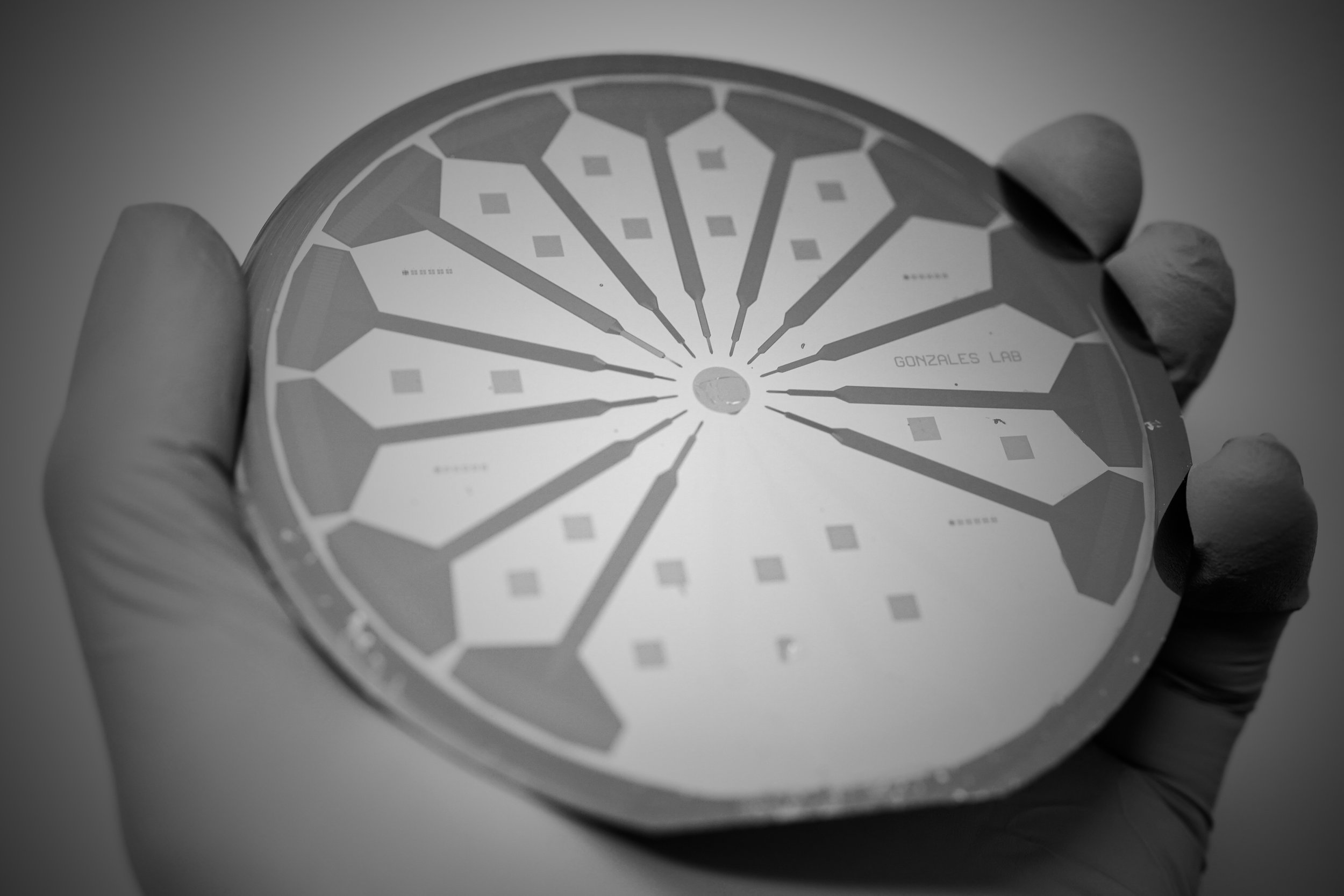
We develop a wide range of neurotechnologies to record and manipulate neural circuits with a high precision. Our core technologies are ultra-thin, highly flexible neural interfaces that we design and manufacture in-house. These probes seamlessly integrate with brain tissue and offer significant advantages compared to standard microelectrode arrays for basic and translatable neuroscience. Our mission is to use our advanced technologies to study how the brain computes and determine how neurological disorders disrupt these computations. Ultimately, we envision our work leading to new methods for treating paralysis, motor disorders, and learning disorders with next-generation human neural interfaces.
Area 1: Chronic electrical and optical access to the brain
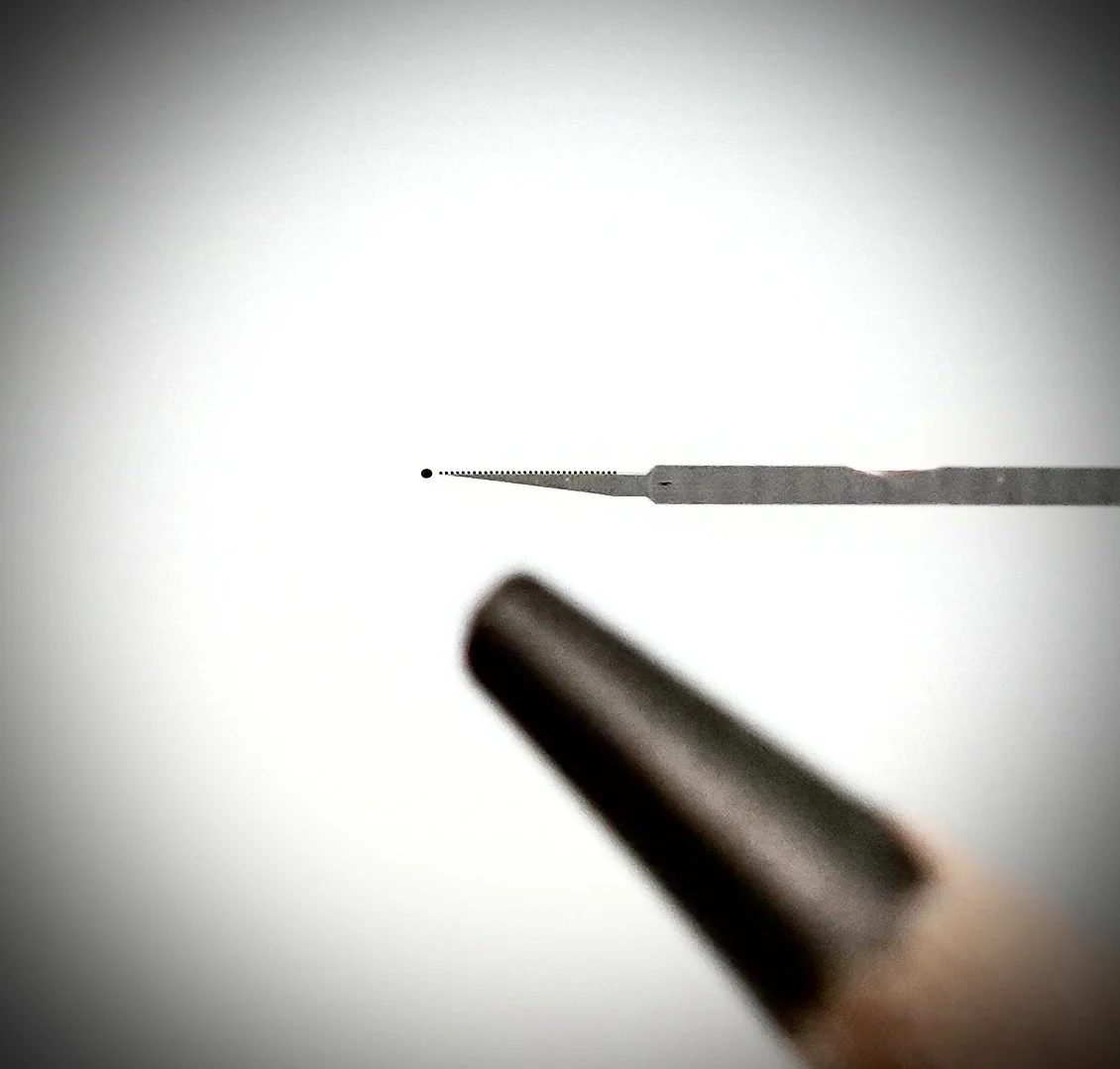
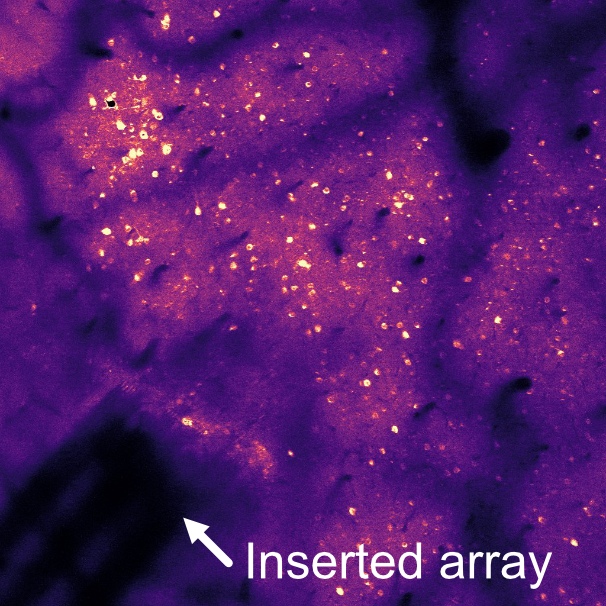
The flexibility and transparency of our flexible neural interfaces make them highly compatible with optical imaging and stimulation of neural circuit activity. This means we can combine gold-standard electrical recordings with powerful techniques such as multiphoton imaging or optogenetics. We are developing platforms to chronically record from large populations of neurons while imaging circuit activity that is challenging to recording electrically, such as synaptic activity and neurochemical signaling.
Area 2: Ultra-stable recordings from neuronal populations
The brain is soft and naturally produces micromotions. When traditional electrodes are inserted for recordings, brain tissue constantly shears against the rigid implants. This leads to scarring and unstable neural recordings. Our flexible implants move with brain tissue, providing highly stable recordings from many neurons simultaneously. In large animals, we are aiming for long-term implants that track the same neurons across months and years.
Area 3: The circuit pathways underlying learning
We use our state-of-the-art tools to study how circuit computations give rise to skilled learning and cognition. Our platform provides unprecedented access to neural circuit activity across long periods, providing a window into how the brain learns. We train animals to perform new skills, such as motor tasks, and record brain activity throughout the learning process. We even train animals to perform brain-computer interface tasks, where no overt movements are required and only the animal’s “thoughts” are used to complete specific tasks. Our goal is to leverage the natural learning mechanisms of brain circuits to develop high-precision, modular, and efficient interfaces for the human brain.
Our Approach
Microfabricated Tools
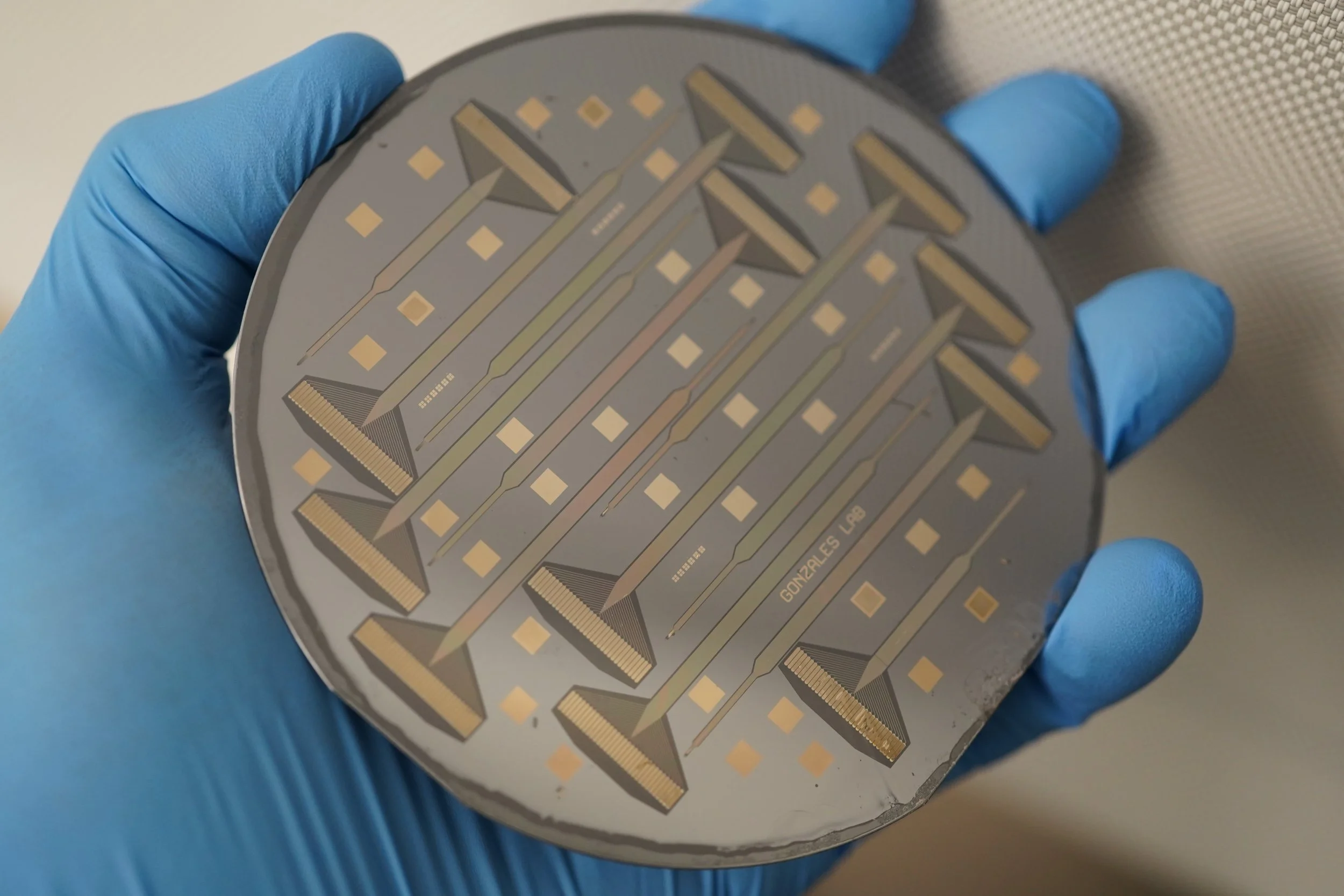
We design & fabricate flexible, transparent brain-computer interfaces

High-Density Electrophysiology
Our interfaces enable long-term, stable recordings
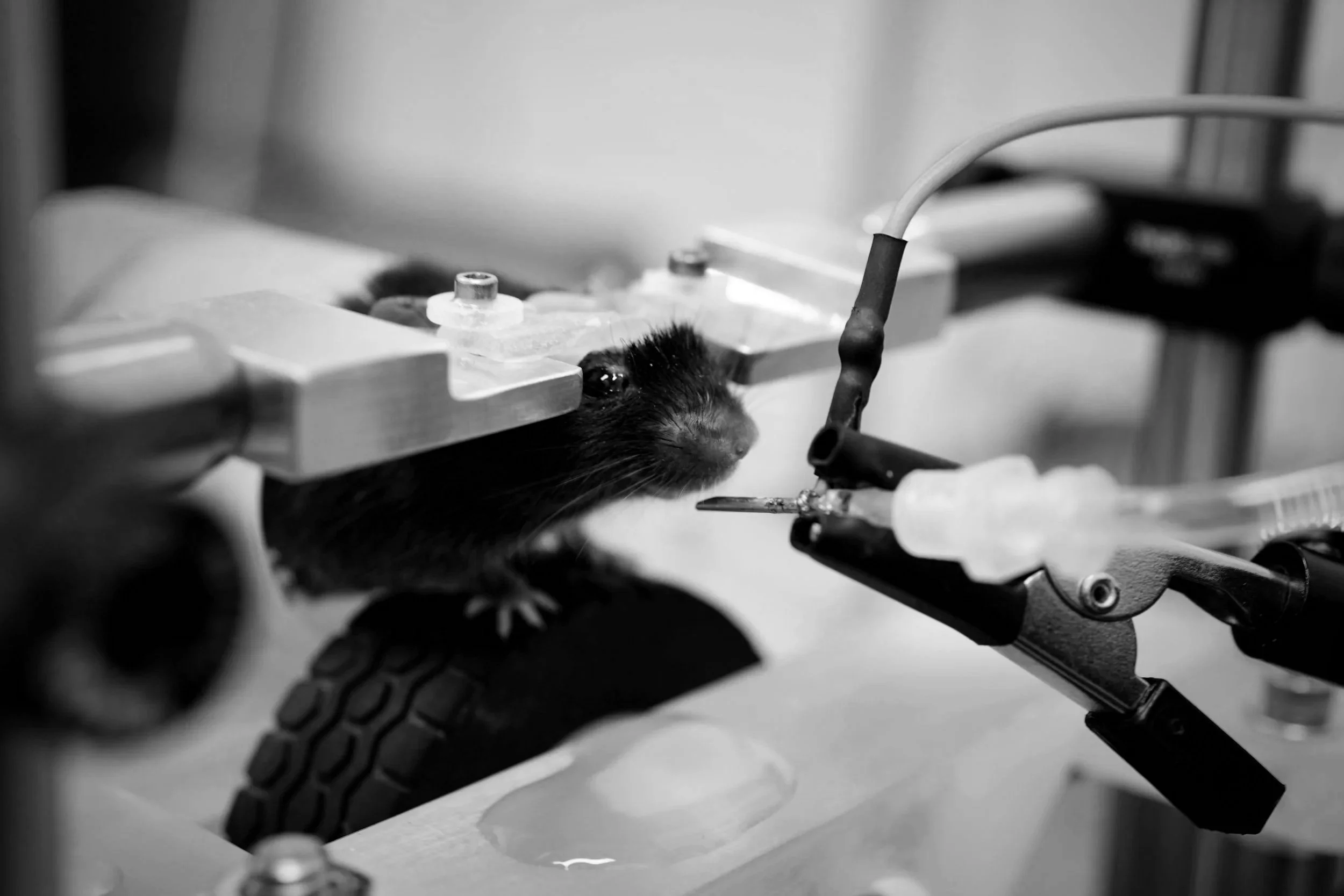
Novel Tasks
We create unconventional BCI behavioral tasks to probe the underlying mechanisms of neural control
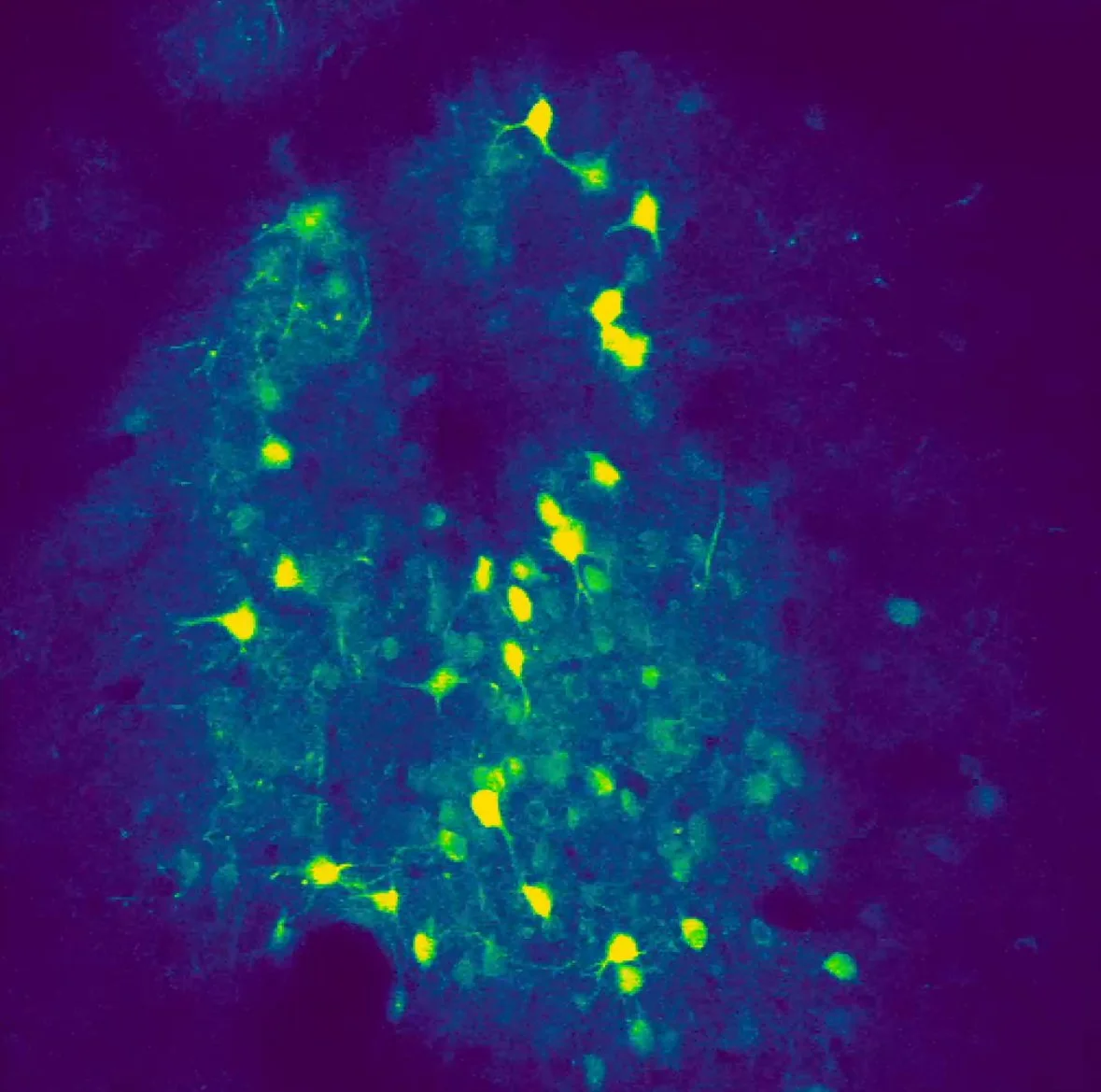
Multiphoton Imaging
We combine two-photon imaging and electrophysiology in vivo
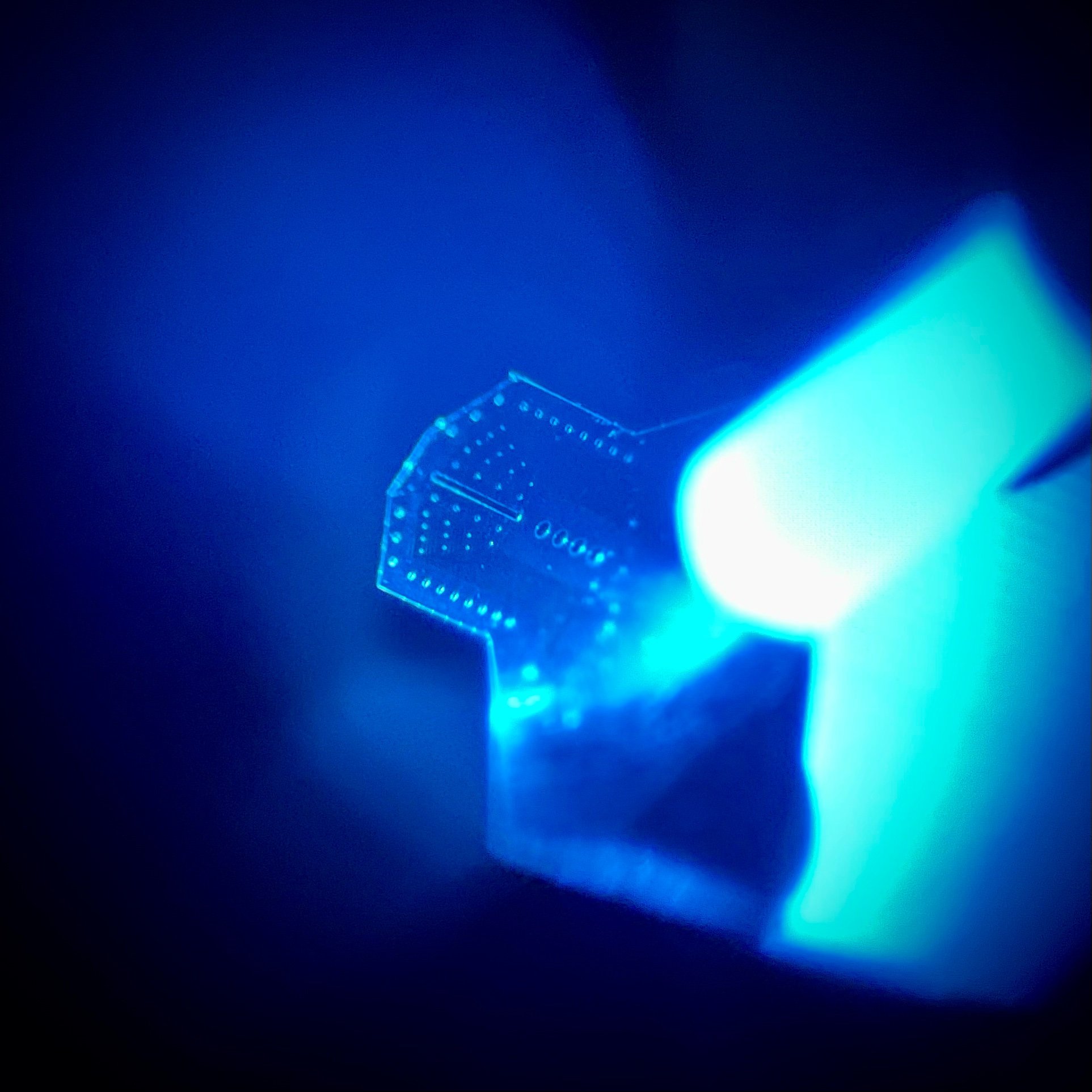
Circuit Manipulations
We use optogenetic, pharmacological, and electrical methods to selectively manipulate circuit components
Our Philosophy
We are passionate about producing discoveries with multifaceted impacts on neuroscience, neuroengineering, and human health. Yet, we also recognize that science is built upon by a collection of people. We believe that building a culture of scientific excellence requires a culture of support, mentorship, and empowerment. We aim to accomplish these four core goals into our work:
We want to be healthy. We want to be productive. We want to be efficient. We want to have fun.
It’s that simple. We believe that by intentionally working towards these four goals, we can both produce meaningful scientific discoveries and build a culture of excellence that centers on people. To learn more about lab philosophies, please see our Handbook.